The Doctor Will Poll You Now
Is there a consensus about the efficacy and value of using ARS in the healthcare classroom? Turns out there is. The literature review identified nine positive aspects of using ARS in the healthcare classroom.
The enactment of laws, even the approval of committee rules, rarely proceeds without some level of discussion if not outright contention. Opinions get expressed, arms get twisted, voices get raised. It’s not unusual for parties privy to the discussion to introduce alternative wordings or entire legislative amendments to a matter that will eventually be put to a vote.
We’ve written about burnout before as it relates to physicians. But nurse burnout is no less real, as anyone following the news today will know. Some 2,200 burned out nurses walked off the job in Chicago in mid-September. A day later there were strikes in California, Arizona and Florida.
What is stress? Let’s see: How about police or military personnel finding themselves faced with difficult shoot/no-shoot decisions. To be sure, the possibility of getting shot is definitely a cause of stress, and the symptoms of stress in those situations are very clear. Time horizons contract and the immediacy of the situation can overwhelm all else; the fight or flight impulse can take over, sometimes with disastrous effects.
Educational researchers looking at active learning continue to extol its virtues. Active learning – which involves students actively engaging in the classroom and using active listening skills and skills to formulate meaning – has been credited with increasing student retention in both the short and long terms.
The hashtag at the heart of the #metoo movement first appeared two years ago this month. The #timesup hashtag showed up not long after that. Both are painful reminders of a long dark history of gender violence that lots of people have just not wanted to think about or hear about.
It’s curious: each month, Google gets hundreds of thousands of queries on terms such as “pedagogy” and “student engagement,” on “outcome studies,” “audience response systems,” and “classroom response systems.” But it gets virtually no queries linking these ideas together.
A recent paper on Audience Response Systems and Missingness Trends in JMIR Formative Research identified an issue that educators need to pay attention to when using ARS to discuss sensitive issues in a school setting. As we’ve noted elsewhere in discussing the value of using ARS to facilitate active student engagement, the anonymity of ARS can help shy students overcome their reticence and diffidence. It can give a voice to students who feel uncomfortable sharing the reality of their experiences.
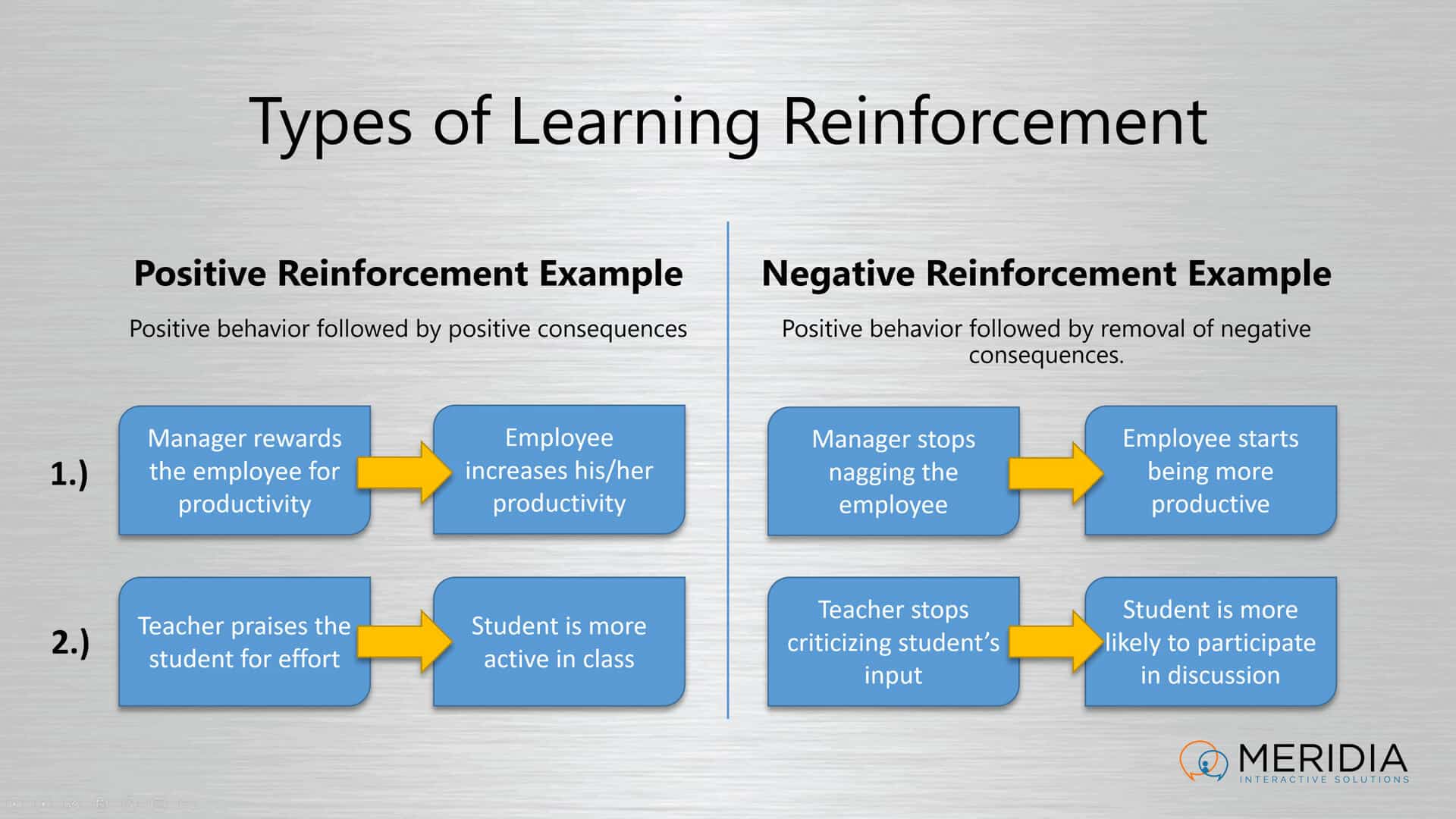
You’ve heard the terms positive reinforcement and negative reinforcement. Positive reinforcement usually takes the form of a reward given for actively behaving a certain way. Negative reinforcement takes the form of a reward given for not engaging in a specific kind of behavior.
One question that frequently challenges the cooperative principles that should be guiding a housing cooperative is the question of cumulative voting vs. straight voting. Both cumulative voting and straight voting are accepted ways to conduct the nomination and election of board members, but the different outcomes they produce could result in different people becoming involved in the management of a cooperative.