
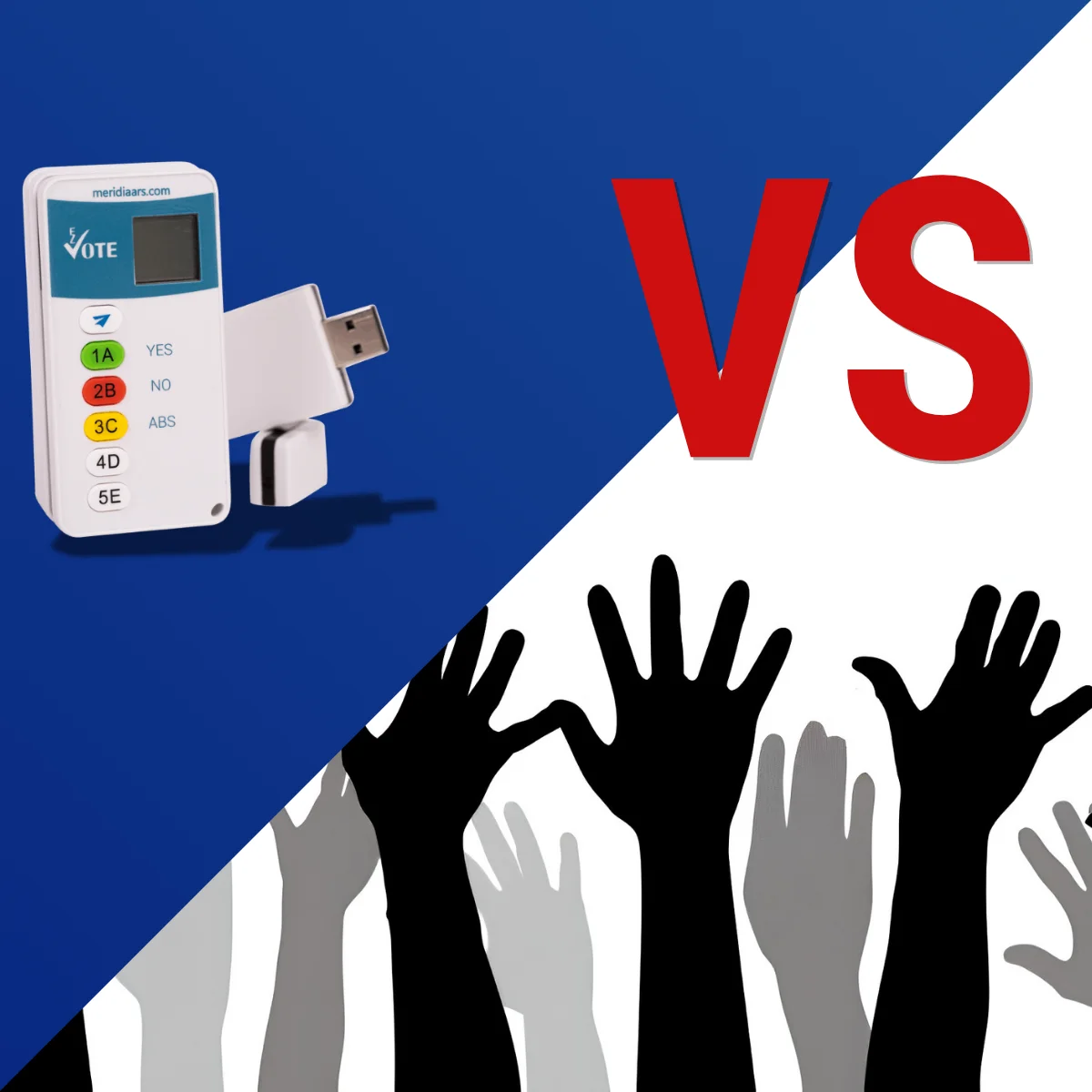
As organizations continue to modernize operations, many are comparing traditional paper-based voting methods with electronic voting systems. Both approaches have advantages, but the differences in speed, accuracy, scalability, and overall cost are becoming increasingly important—especially for organizations managing large groups or geographically dispersed participants.
Here’s a closer look at how electronic voting compares to traditional voting methods.
What is Traditional Voting?
Traditional voting generally refers to paper ballots, hand counts, mailed proxy forms, or in-person voting conducted with physical materials and manual oversight.
This method has long been used by:
- Local governments
- Labor unions
- Professional associations
- Cooperatives
- Corporate shareholder meetings
- Nonprofits and membership organizations
While familiar and widely accepted, traditional voting often involves substantial logistical coordination and manual effort.

What is Electronic Voting?
Electronic voting uses digital platforms or audience response systems to collect, tabulate, and report votes electronically. Depending on the organization’s needs, voting can occur:
- In person using handheld devices (also called keypads, or clickers)
- Through personal devices (phones, tablets, computers) via native apps or web browsers (secure online portals)
- During hybrid or virtual meetings
Modern electronic voting systems are designed to improve efficiency while maintaining transparency, auditability, and security.

1. Speed: Faster Results and Streamlined Processes
Traditional Voting
Paper-based voting often requires:
- Printing and distributing ballots
- Manual collection
- Hand counting or data entry
- Verification and recount procedures
- Delayed reporting
For organizations conducting elections across multiple locations or handling hundreds—or thousands—of ballots, the process can take hours, days, or even weeks.
The voting process can also vary greatly from organization, impacting the overall length of the voting session. In the case of the AEAONMS who convene every year at the New Orleans Convention Center, participants traditionally elected their members by waiting in line to vote individually. This process also resulted in a lengthy meeting as extra time was allotted for each member as well as processing the votes.
Additionally, mail-in voting can extend timelines even further due to postal delays and processing requirements.
Electronic Voting
Electronic voting systems dramatically reduce turnaround times by automating vote collection and tabulation.
Benefits include:
- Instant vote submission
- Real-time tabulation
- Immediate results reporting
- Faster quorum verification
- Reduced administrative workload
For live meetings and assemblies, electronic voting allows organizations to move quickly through agendas without lengthy pauses for ballot counting.
This speed is particularly valuable during:
- Annual general meetings
- Union contract ratifications
- Board elections
- Parliamentary procedures
- Time-sensitive organizational decisions
After switching to Meridia’s TownVOTE electronic voting system, the AEAONMS cut their voting time down to a small fraction when compared to previous meetings. Instead of allotting time for each member to vote, all participants were able to vote collectively by simply pressing a button on their voting devices to indicate their response and allowing the software to handle the processing and vote-counting. As a result, each vote was completed in seconds, rather than minutes, with the same clear, accurate result that they had achieved from previous meetings.

– Micah E. Tharpe, Owner of a 1500-keypad system
2. Accuracy: Reducing Human Error
Traditional Voting Challenges
Manual voting processes are vulnerable to several common issues:
- Miscounted ballots
- Data entry errors
- Illegible handwriting
- Lost or damaged ballots
- Duplicate counting
- Inconsistent tally procedures
The larger the election or voting group, the greater the opportunity for human error.
Even with trained staff and oversight committees, manual counting can introduce delays and uncertainty.
Electronic Voting Advantages
Electronic voting systems are designed to improve accuracy through automation and built-in validation.
Common features include:
- Automated tabulation
- Elimination of manual counting
- Duplicate vote prevention
- Visual vote confirmation
- Real-time validation checks
- Detailed audit trails
Many systems also generate instant reports and downloadable records, helping organizations maintain transparency and simplify post-election review processes.
For organizations that require strict governance procedures or compliance documentation, electronic systems can provide an additional layer of accountability.
3. Costs: Short-Term vs. Long-Term Expenses
Cost comparisons between traditional and electronic voting depend on the size and frequency of elections, as well as the complexity of administration.
Costs Associated with Traditional Voting
Paper-based voting may appear inexpensive initially, but costs can add up quickly.
Typical expenses include:
- Printing ballots and materials
- Postage and mailing
- Staffing and volunteers
- Venue logistics
- Ballot storage and handling
- Manual counting time
- Recounts or dispute resolution
For recurring elections or large organizations, these operational costs can become substantial over time.
Electronic Voting Costs
Electronic voting systems typically involve:
- Software or licensing fees
- Hardware or device costs
- Setup and configuration
- Technical support
- Security and compliance measures
However, many organizations find that electronic voting reduces long-term administrative expenses by minimizing labor, paper use, and processing time.
Additional savings may come from:
- Reduced travel requirements
- Lower printing costs
- Faster meeting completion
- Fewer staffing demands
- Elimination of manual tabulation
For organizations conducting frequent votes or managing remote participants, electronic voting often becomes more cost-effective as usage increases.
Additional Factors to Consider
While speed, accuracy, and costs are major considerations, organizations should also evaluate several other factors when choosing a voting method.
Accessibility
Electronic voting can improve participation by allowing remote or hybrid attendance and offering multilingual or accessibility-friendly interfaces.
Traditional methods may present barriers for geographically dispersed members or participants with mobility limitations.
Security and Auditability
Both traditional and electronic systems require strong security practices.
Modern electronic voting platforms often include:
- Encryption
- Secure authentication
- Audit logs
- Role-based access controls
- Anonymous voting protections
Organizations should evaluate vendors carefully to ensure systems meet governance, compliance, and transparency requirements.
Scalability
As organizations grow, electronic voting systems are generally easier to scale than manual processes.
Large associations, unions, municipalities, and corporations can manage high participation volumes more efficiently through digital platforms.
Which Voting Method Is Right for Your Organization?
There is no one-size-fits-all solution. Traditional voting may still work well for smaller groups or organizations with limited technology requirements.
However, electronic voting offers clear advantages for organizations seeking:
- Faster results
- Greater accuracy
- Improved efficiency
- Remote participation options
- Better reporting and audit capabilities
- Reduced administrative burden
As hybrid meetings and digital engagement continue to evolve, many organizations are adopting electronic voting solutions to modernize governance and improve member participation.
The Future of Organizational Voting
Voting technology continues to advance alongside broader digital transformation efforts across industries and public institutions.
Organizations are increasingly prioritizing systems that provide:
- Secure participation
- Real-time engagement
- Transparent reporting
- Operational efficiency
- Flexible meeting formats
Electronic voting is no longer limited to large governments or major corporations. Today, organizations of all sizes are using digital voting tools to streamline decision-making and improve the overall voting experience.
For associations, unions, businesses, and public organizations alike, the shift toward electronic voting reflects a broader demand for faster, more accurate, and more accessible governance processes.
